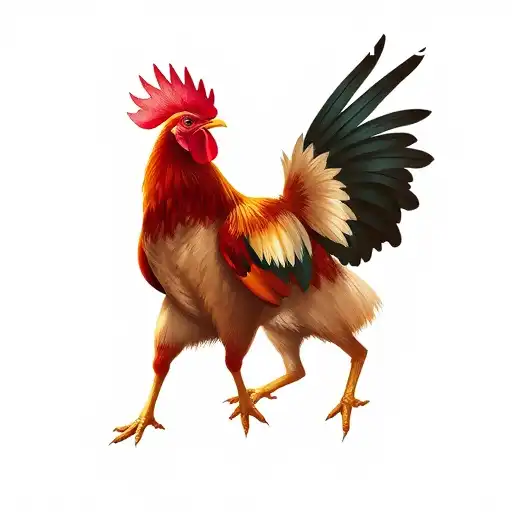
Cockfighting: Tradition Meets Controversy
Cockfighting, a practice steeped in history and tradition, continues to evoke a complex mixture of intrigue, cultural significance, and ethical debate. This age-old spectacle has held its ground in various parts of the world, celebrated by many as a cultural artifact while being condemned by others as a cruel blood sport.
What is Cockfighting?
Cockfighting involves specially bred roosters, known as gamecocks, who are pitted against each other in a fight that often lasts until one is killed or critically injured. The allure for enthusiasts lies in the strategies, breeding, and training that go into preparing these birds for combat. Observers keenly follow the bouts, captivated by the battle of strength, agility, and endurance.
Given its visceral nature, cockfighting has been compared to historical forms of gladiatorial combat, but it primarily features animal participants. The practice is often linked to gambling, with bets placed on the outcomes of matches, adding a financial dimension to its cultural relevance.
The Cultural Tapestry of Cockfighting
In many regions, cockfighting is more than just a sport; it is embedded within the cultural framework of communities. From rural villages in Southeast Asia to sections of Latin America, cockfighting draws crowds and acts as a social gathering point that transcends generations. For some, it is seen as an art form, reflecting the mastery of breeders and trainers in nurturing their gamecocks to be fierce competitors.
Historians trace the roots of cockfighting back to ancient times, with evidence of its existence in civilizations such as ancient Greece, India, and Rome. The sport was often regarded as a noble pastime reserved for aristocrats and has even been intertwined with religious ceremonies in certain cultures.
Phjewel: A Keyword Reflecting Tradition and Debate
The term "phjewel" emerges in discussions as a metaphorical heartbeat for those who engage deeply with the sport. It encapsulates the passion and fervor that cocks possess and reflects a historical jewel that aficionados hold dear. Enthusiasts often use "phjewel" to describe the reverence and skill required in the breeding and selection processes.
While "phjewel" celebrates the tradition, it also surfaces amidst debates surrounding the ethicality and cruelty associated with cockfighting. This duality mirrors the contentious arguments that arise whenever the practice is discussed in public spheres.
Controversy and Legal Landscape
Despite its cultural significance, cockfighting faces opposition from animal rights groups who decry the practice as inhumane. The sport's inherent violence and the suffering of the animals involved form the crux of ethical disputes. Cockfighting is illegal in many countries, with regions such as the United States imposing strict bans and penalties on those who participate or organize such events.
Nevertheless, the practice persists in underground circles, sustained by networks that evade legal scrutiny. Enforcement proves challenging, with some areas turning a blind eye due to economic interests or local traditions.
The Economics of Cockfighting
The allure of potential financial gain drives many individuals toward cockfighting. Breeders invest significant resources into their birds, hoping for a return in the form of prize money and bets. In some regions, cockfighting is linked to livelihood, providing an economic outlet in areas with limited opportunities.
Annual festivals and derbies attract spectators and gamblers from various parts of the world, adding economic buoyancy to regions where cockfighting is prevalent. The industry surrounding the sport can be expansive, involving breeders, trainers, veterinarians, and even equipment manufacturers supplying tools for the maintenance and training of gamecocks.
Training and Breeding: An Inside Look
The preparation that goes into breeding and training gamecocks is meticulous and rigorous. Enthusiasts often dedicate years to perfecting bloodlines, selecting for traits such as strength, speed, and aggression. Birds are subjected to specialized diets, exercise regimens, and social training to prepare them for combat.
Breeding, an art form in itself, requires a deep understanding of genetics and the ability to predict and enhance desired traits. The stakes are high, as a single bout can elevate a bird's status and value significantly if it proves to be a formidable competitor.
Conclusion: A Paradoxical Legacy
As cockfighting continues to straddle the lines between tradition and modern sensibilities, it remains a subject of passionate discussion and debate. While the "phjewel" of the practice captivates many, it equally divides opinion. Whether met with admiration or condemnation, cockfighting persists as an enduring, albeit controversial, aspect of human culture.